

 Erin
ErinMost people have to plan a wedding that fits with their budget. While everyone would love to plan a dream wedding with an infinite budget, financial planning is essential for most engaged couples. Learning how to plan a wedding on a budget so that you can have the perfect wedding without going into debt!
Wedding planning on a budget takes a bit more time and effort, but you can find amazing deals and ways to save money to make more room in your budget. Use our budget wedding planning tips to plan your dream wedding at the right price!
Planning a wedding on a tight budget is no small feat. Use our tips and ideas to make the most of your wedding, regardless of budgetary constraints!
Figure Out Your Budget

The first thing to figure out how much you can afford to spend in total on your wedding. Create a wedding budget that fits your savings and income, and from there you can get into the planning itself.
It’s vital that you know what your wedding budget is first, so that you don’t start spending without considering how much you can actually afford. Sit down with your partner and plan out your budget before making any purchases for the wedding.
Consider the Big Picture
Once you know your wedding budget, discuss what you and your partner are both looking for in a wedding ceremony and reception. Do you want a small, intimate wedding with close friends and family? Or would you rather throw a big, black tie affair?
Consider questions such as:
- What kind of venue are you looking for?
- Where will you get married? In your hometown, or abroad for a destination wedding?
- What wedding themes are you considering?
Picking a theme can make it easier to get a larger vision of your wedding, and it can help determine the venues you’ll consider.
Don’t get bogged down in small details – just consider the big picture of what your wedding will look like.
Prioritize

For some couples, the perfect venue is the most important part of their big day. For others, it’s all about the food, the entertainment, and so on.
Prioritize based on what is important to you as a couple. If it’s all about the decorations, consider a simpler, less expensive venue that you can spruce up. Everyone has certain non-negotiables, so start your budget with the elements that you cannot stand to get married without.
Track Your Spending

If you’re on a tight budget, then it’s extremely important to stay on that budget. Track every purchase so that you know how much you’re spending.
Some couples set up a separate bank account just for wedding expenses, and others use a separate credit card for all purchases. You can also use Microsoft Excel or Google Sheets to keep an organized spreadsheet of your expenses.
However you choose to track your spending, make sure you stay up to date to ensure you stay within your budget.
Shop Around for Vendors
Researching and booking vendors can be stressful, so we understand just wanting to get them booked to check that off of your list. Don’t rush into booking vendors, however, especially if you’re struggling to find ones that fit into your budget.
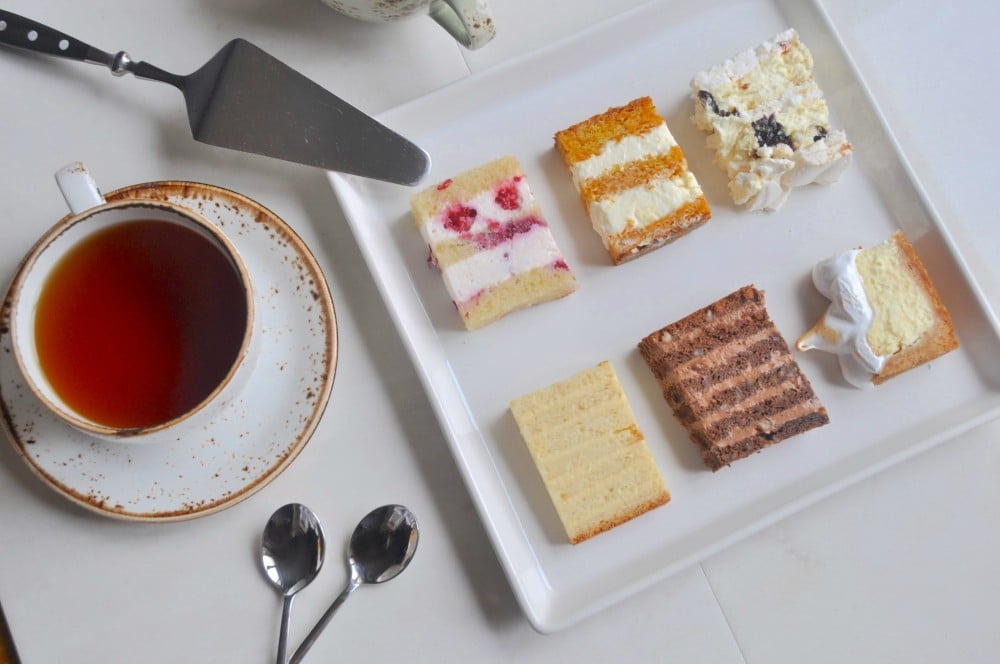
Shop around and contact various vendors to find the best deals for your wedding. While you may love a certain upscale bakery, you may be able to find a more amateur baker who will still do a beautiful job at half the cost.
Don’t be afraid to ask various vendors and price-shop for the best bang for your buck. Some may be willing to negotiate, so try to find vendors who are willing to work with you on pricing.
Cut Down the Guest List

You may love the idea of a huge wedding, but the larger the guest list, the more expensive the wedding will become. One of the best ways to slash expenses is to trim down your guest list.
Most people aren’t actually best friends with 200 people, so consider cutting out distant relatives, friends you haven’t seen in a long time, or coworkers. You can also cut plus-ones to save on costs – just keep in mind that some people may be upset if they cannot bring a date.
To really cut down the price of your wedding, consider hosting a smaller, more intimate affair. While it might not be what you pictured, you can have your closest loved ones with you on your special day without shelling out too much money. Plus, with a tiny guest list you can splurge on other details that you’re excited about!
Figure out how to plan your guest list so that it will fit your wedding budget.
Consider Your Wedding Date

The date that you get married will change the price. If you want to get married on a Saturday in June, you will likely have to pay premium prices for venues, vendors, and more.
Consider choosing a less popular wedding date and time to make room in your budget. Picking a day other than Saturday can help, or pick a date in the off-season so that you don’t have to pay peak wedding prices.
Get Help from Friends

In lieu of gifts, ask friends and family members to contribute to the wedding in some way. We don’t mean a financial contribution, but actual help!
If you have a photographer in the family, consider asking them to shoot your wedding for free or a reduced cost to stay on budget. Some couples even pay a photographer for ceremony photos and photos of the wedding party only, cutting them from the reception to save money. Most wedding guests have smart phones, and you can share wedding photos on social media.
Get your bridesmaids or other friends to help you DIY some decorations or wedding invitations. If your best friend is in a band, consider asking them to play at your wedding for a low cost.
You could also save by asking guests to bring food for a potluck rather than a formal, catered dinner. Or, ask guests to bring desserts to complete your dessert table at the very least.
Have your friends contribute to the wedding itself rather than bring gifts so that you can have an amazing day without breaking the bank!
DIY

Do it yourself as much as possible. There are plenty of things that you can do at home to cut costs. DIY decorations by using ideas from Pinterest. You can even make your own wedding flower arch.
Invitations are an easy part to do at home, so consider printing and stuffing your own invites. You can find fun ways to DIY decorative touches at your wedding venue, which is often the most fun part of wedding planning anyway!
You can also buy flowers wholesale and create your own bouquets and centerpieces! A few YouTube tutorials will have you feeling like a florist, and you can make your floral displays uniquely your own.
Use Decorations from Home

To save on decor, consider pulling items from your home. You may not have a lot to use, but at the very least you can take a few framed photos off the wall to create a photo display at your venue!
Depending on your wedding theme, style, venue, and other factors, you can use different items from home to decorate. Perhaps your houseplants can act as centerpieces or aisle decorations. You can even use furniture at home to create an interesting look if it fits with your theme!
Skip the Formal Dinner

One of the most costly additions to any wedding plan is a catered, sit down dinner. Hosting a formal meal ups the price per guest significantly, especially if you’re hiring an upscale caterer.
Consider a different serving style for your wedding reception to save money. As we mentioned above, you can ask guests to help provide food for the wedding and host a potluck. You can also stick with a caterer, but opt for buffet style or family style to cut down the price.
Another option is to time your wedding so that you don’t have to serve a full dinner at all. Brunch food is less expensive, so you could consider getting married in the morning and holding a brunch themed reception. You could also opt for an afternoon wedding and serve more hors d’oeuvres than actual food.
Get creative with your wedding food to prioritize other important elements of your wedding!
Get Married at Home or Outside

Consider hosting your ceremony, reception, or even both in a free location to cut out the cost of a wedding venue! Lots of couples choose to get married at their home or a family home, and it can still look beautiful and elegant. Backyard weddings or estate weddings make for lovely, personal, and romantic backdrops.
The venue is often the largest expense for most brides and grooms, so cutting the cost by finding a free venue can make room in your budget for other details. By getting married at home, you may be able to splurge on decorations or other details that you thought wouldn’t fit in your budget before.
If you don’t have a home to host at, consider holding at least part of your wedding somewhere like a park. As long as your crowd isn’t too large, you should be able to get married in a public, state, or even National Park. Just be sure to check if there are any restrictions, permits, or fees at your park of choice before booking.
Beaches, deserts, and forests also make great outdoor venues.
While you may not be able to host your entire wedding at one of these outdoor spaces, you could at least host your ceremony there to shorten the length of your venue rental.
BYO

Bar tabs can get pricey, especially depending on the size and drinking tendencies of your guest list. Some venues require that you purchase any alcohol for the reception from them, which usually means inflated and marked up prices.
Ask your venue if they allow you to bring your own alcohol in for the reception. If you don’t have a venue yet, search for those that allow you to BYO or use that question as a screening criteria.
Buying it yourself allows you to better control the price and quantity of alcohol. You don’t want to fall short, but you can find deals on certain wines and liquors or choose less expensive brands than the venue would offer.
Contact Your Local University

For cheaper help, consider a less professional option for certain elements of your wedding by hiring students. For example, a student of graphic design would likely design your invitations or other paper needs for much cheaper than a professional.
You could also search for student help to play music at your ceremony or reception. Students in the school orchestra will probably be happy to take a gig and get paid, and they will likely charge much less than professional musicians.
Consider a Destination Wedding

Did you know that destination weddings can actually be cheaper? You may want to consider a destination wedding – this also makes it easier to cut your guest list short without hurting feelings.
This page may contain affiliate links. If you click through and make a purchase, we'll earn a small commission, at no additional cost to you.

Add comment